
Year-Round Comfort From Single-System Solutions
Heat Pump Installation in Clearfield for homeowners seeking energy-efficient heating and cooling without maintaining separate seasonal systems
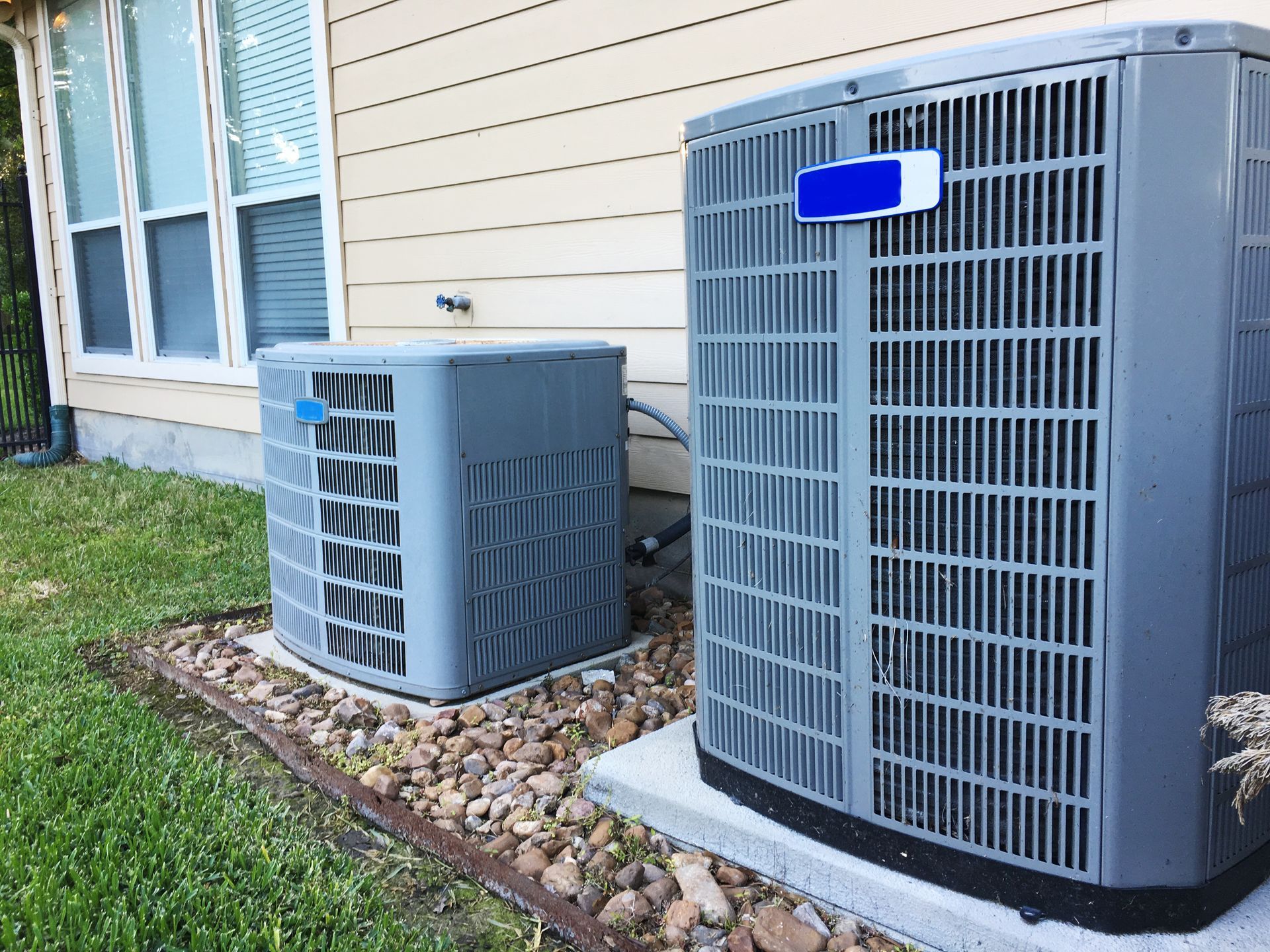
Heat pumps transfer thermal energy rather than generating it through combustion, moving warmth from outdoor air into your home during winter and reversing the process to cool interior spaces during summer. This approach uses electricity to relocate existing heat rather than burning natural gas to create it, reducing operating costs in moderate climates where extreme cold doesn't overwhelm the system's heat extraction capability. Bluesky Heating and Air installs heat pump systems in Clearfield, Roy, Ogden, Syracuse, Salt Lake City, and Layton for homeowners replacing aging furnaces and air conditioners with modern equipment that handles both functions from a single outdoor unit.
Professional sizing ensures the heat pump provides adequate heating capacity during Northern Utah's coldest weeks without oversizing for cooling season, which would cause the humidity control problems that come from short cycling. The system must match your home's insulation levels, ductwork capacity, and temperature preferences while accounting for seasonal temperature swings that range from single digits in January to upper nineties in July. Undersized heat pumps require expensive auxiliary electric resistance heat during cold snaps, while oversized units waste energy and wear components through excessive on-off cycling.
Request a heat pump consultation to review equipment options, efficiency ratings, and installation requirements for your specific home configuration.
What Changes After Heat Pump Installation
Heat pump installation replaces your existing furnace and outdoor air conditioning unit with an indoor air handler and outdoor heat pump unit that work together for both heating and cooling. The outdoor unit runs during winter heating season rather than sitting dormant, extracting thermal energy from outdoor air even when temperatures drop below freezing. Modern heat pumps maintain heating output down to zero degrees or lower, with supplemental heat strips providing backup capacity during extreme cold events.
After installation, you notice consistent temperatures throughout heating and cooling seasons without switching between separate systems, reduced energy costs compared to electric resistance heat or older furnaces, and quieter operation than older air conditioning equipment. The system responds to thermostat calls smoothly, and you no longer maintain two separate pieces of outdoor equipment or schedule maintenance for both heating and cooling systems separately.
Installation considerations include electrical service capacity for the heat pump and backup heat strips, refrigerant line routing between indoor and outdoor units, condensate drainage for both heating and cooling operation, and thermostat compatibility with heat pump staging and reversing valve control. Some homes require electrical panel upgrades to support heat pump power requirements.
Homeowner Questions About Heat Pump Systems
Property owners considering heat pumps want to understand how these systems perform during Utah's temperature extremes and whether energy savings justify the equipment investment.
How do heat pumps perform during Clearfield winters?
Modern cold-climate heat pumps maintain full heating capacity down to five degrees and continue operating at reduced capacity well below zero, with electric resistance backup heat automatically engaging during extreme cold events to maintain indoor comfort.
What efficiency advantages do heat pumps offer over traditional furnaces?
Heat pumps move existing heat rather than creating it, delivering two to three units of heating for every unit of electricity consumed, compared to gas furnaces that lose efficiency through combustion byproducts vented outdoors.
How long does heat pump installation take once equipment arrives?
Most residential installations complete in one day for straightforward replacements, while homes requiring electrical upgrades, ductwork modifications, or condensate drainage additions may take two days to finish completely.
What maintenance do heat pumps require compared to separate heating and cooling systems?
Heat pumps need annual service covering both heating and cooling functions, including refrigerant pressure checks, coil cleaning, electrical connection inspection, and filter replacement, similar to maintaining separate furnace and air conditioner equipment.
When do heat pumps make more sense than traditional furnace and air conditioner combinations?
Homeowners replacing both heating and cooling equipment simultaneously, those seeking lower operating costs through high-efficiency heating, and properties without natural gas service all benefit from heat pump installation over maintaining separate seasonal systems.
Bluesky Heating and Air evaluates your home's heating and cooling requirements, existing ductwork capacity, and electrical service to determine appropriate heat pump sizing and configuration. Call (801) 725-5573 to schedule a system evaluation and discuss heat pump options for your property.