
Systems Restored When Heating or Cooling Fails
Emergency HVAC Services in Ogden for complete system outages, unusual mechanical noises, burning odors, and total loss of airflow
Complete furnace failure during a January cold snap leaves your home dropping below safe temperatures within hours, while air conditioning breakdowns during July heat create dangerous indoor conditions for vulnerable family members. Bluesky Heating and Air responds to emergency HVAC situations in Ogden, Roy, Syracuse, Clearfield, Salt Lake City, and Layton when immediate attention prevents property damage or health risks. Emergency situations include furnaces that won't ignite, air conditioners leaking refrigerant inside living spaces, systems producing burning smells that indicate electrical failures, and complete loss of airflow suggesting blower motor breakdowns.
Emergency diagnostics identify whether the system requires component replacement, safety shutoff override, or temporary repairs to restore basic function until permanent solutions can be implemented. Furnace outages in winter often stem from ignition system failures, cracked heat exchangers leaking combustion gases, or pressure switch malfunctions that prevent burner operation. Air conditioning emergencies typically involve compressor failures, refrigerant line ruptures, or electrical component burnouts that stop cooling function entirely rather than just reducing efficiency.
Call (801) 725-5573 immediately when your heating or cooling system stops functioning and indoor conditions become uncomfortable or unsafe.
What Qualifies as an HVAC Emergency
True HVAC emergencies involve complete loss of heating or cooling function rather than reduced performance, safety hazards like gas odors or electrical burning smells, or mechanical failures creating immediate risk of secondary damage. A furnace that won't start when outdoor temperatures drop below freezing qualifies as urgent because frozen pipes and unsafe indoor temperatures develop within hours. Air conditioning failure during heat advisories creates health risks for elderly residents, young children, and anyone with respiratory conditions exacerbated by extreme heat.
After emergency service, your system either resumes normal heating or cooling operation, safety hazards are eliminated through component replacement or system shutoff, and you understand whether the repair extends system life or whether replacement makes more sense given the age and condition of existing equipment. Temporary repairs sometimes restore function for the immediate crisis while you arrange financing or schedule full system replacement during less urgent timeframes.
Non-emergency situations include systems running but not reaching desired temperatures, minor efficiency losses, unusual sounds that don't affect operation, and routine maintenance needs that don't create safety risks or complete failure. These situations warrant prompt service but don't require after-hours emergency response.
Common Emergency Service Questions
Homeowners facing sudden HVAC failures often need clarity about response times and what emergency service involves before committing to after-hours calls.
What happens during an emergency HVAC service call?
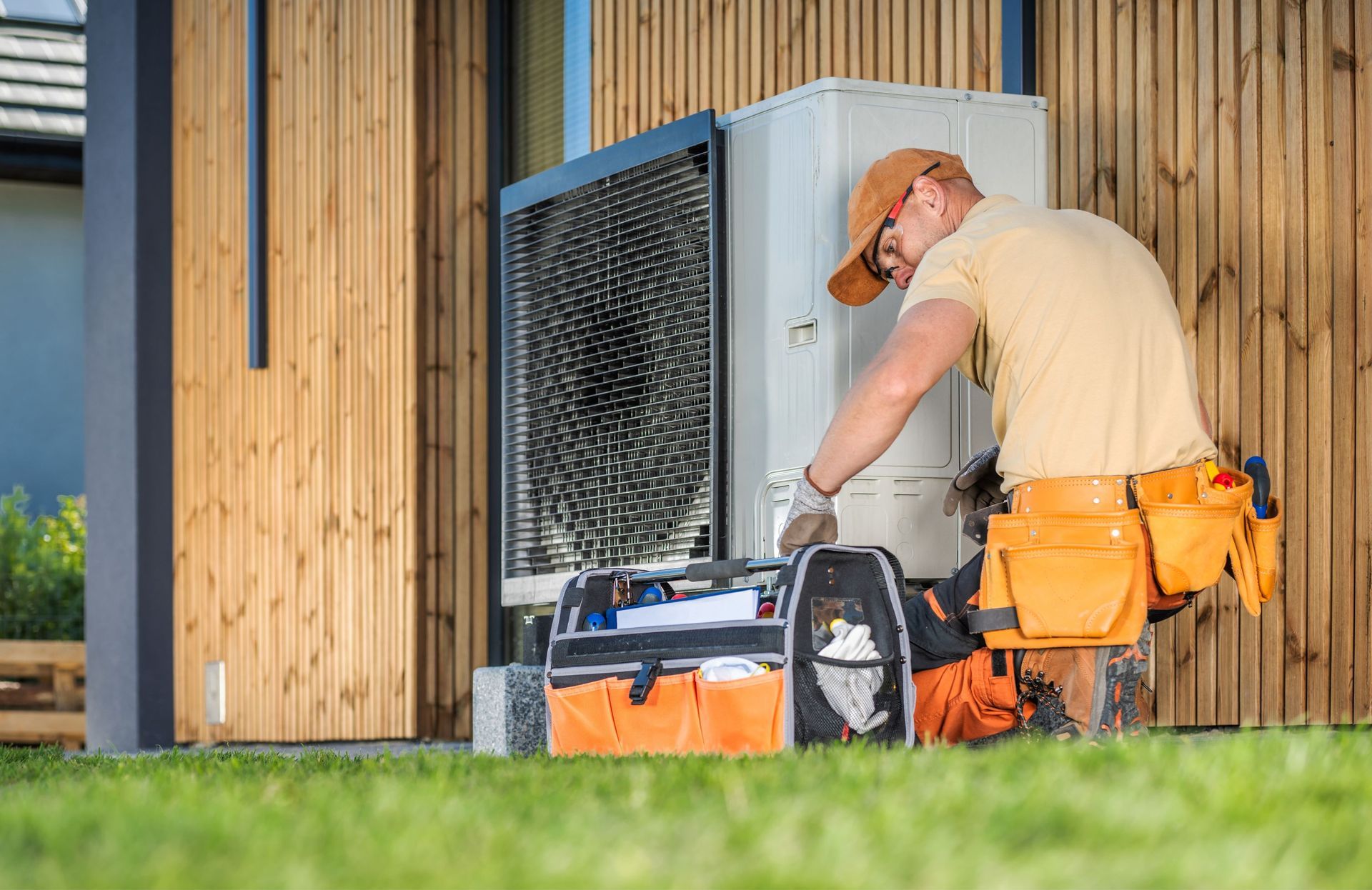
The technician performs safety checks first, then diagnostics to identify failure causes, followed by repair recommendations that either restore function immediately or stabilize the situation until parts arrive for permanent repairs.
How quickly can emergency service restore heating or cooling?
Simple failures like tripped breakers, clogged condensate drains, or thermostat malfunctions resolve within the service call, while component replacements requiring parts may take one to three days depending on equipment age and part availability.
When should I call for emergency service versus waiting for regular business hours?
Call immediately for complete loss of heating below 40 degrees outdoor temperature, no cooling during heat advisories above 95 degrees, gas odors near furnaces, burning electrical smells, or visible smoke from HVAC equipment.
What information should I have ready when calling for emergency HVAC service in Roy?
Note your system's behavior before failure, any unusual sounds or smells, whether the thermostat displays error codes, and the age and type of your heating and cooling equipment to help technicians prepare appropriate tools and common replacement parts.
Are emergency repairs covered the same as regular service calls?
Emergency diagnostics identify immediate safety concerns and restore basic function, with repair recommendations provided for permanent solutions that may require parts ordering or extended labor beyond the initial emergency response.
Bluesky Heating and Air responds to urgent heating and cooling failures that threaten comfort and safety in Northern Utah homes. Reach us at (801) 725-5573 when your HVAC system requires immediate professional attention.