Heat That Responds When Cold Weather Arrives
Furnace Repair in Roy for inconsistent heating, unusual operational noises, and ignition failures
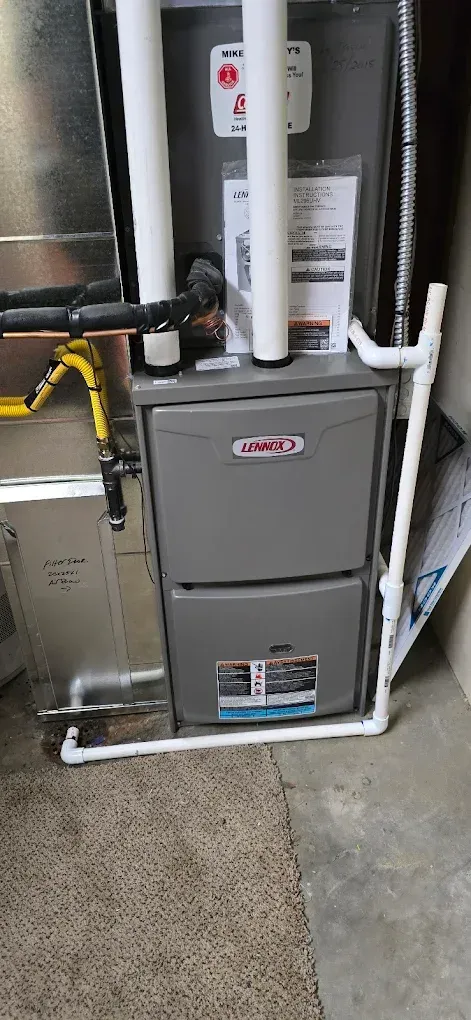
Furnaces that ignite inconsistently, produce banging or rattling sounds during operation, or fail to maintain even temperatures across rooms require diagnostic attention before complete failure occurs during Utah's coldest stretches. Bluesky Heating and Air addresses furnace problems across multiple system types and brands, restoring heat output when burners fail to light, blowers stop circulating air, or safety controls shut the system down repeatedly. Winter heating demands in Roy require dependable equipment that maintains indoor comfort without cycling off unexpectedly or leaving spaces unheated overnight when outdoor temperatures drop below freezing.
Diagnosis involves testing ignition sequences, measuring gas pressure at the valve, inspecting heat exchanger integrity, checking airflow through the blower assembly, and verifying thermostat signals reach the furnace control board correctly. Repairs range from replacing failed flame sensors that prevent burner ignition to cleaning burners clogged with debris, replacing cracked heat exchangers that pose safety risks, or recalibrating gas valves that deliver improper fuel mixtures.
Schedule furnace repair to restore heating function and system safety before temperatures drop further.
What Changes After Heating Repairs Complete
Heating repairs focus on restoring ignition reliability, airflow consistency, and temperature control across all living areas, eliminating cold spots and uneven heating that develop when furnaces malfunction. Bluesky Heating and Air replaces worn components like inducer motors that fail to vent combustion gases properly, limit switches that shut systems down prematurely, or control boards with failed relays that prevent burner operation. Transparent recommendations explain whether repairs extend system life meaningfully or whether replacement makes better financial sense based on equipment age and the likelihood of additional component failures.
Once repairs finish, burners ignite on the first thermostat call without repeated attempts, blowers circulate warm air steadily through all supply registers, and the furnace completes heating cycles without shutting down mid-operation. Unusual noises from loose blower wheels, vibrating ductwork, or expanding metal components decrease or disappear entirely, and indoor temperatures stabilize within the range set at the thermostat rather than swinging several degrees between cycles.
Safety concerns like cracked heat exchangers or blocked venting receive immediate attention since continued operation with compromised combustion or venting poses risks beyond simple comfort loss. Diagnostic service identifies these conditions through visual inspection and operational testing, ensuring heating system safety alongside performance restoration.
Furnace Service Questions From Homeowners
Understanding what different furnace problems indicate helps property owners recognize when professional diagnosis becomes necessary rather than waiting for complete system failure.
What causes furnaces to ignite and shut off repeatedly?
Flame sensor contamination prevents the control board from confirming ignition, triggering safety shutdowns even though burners light initially, while dirty sensors require cleaning or replacement to restore normal operation.
Why do some rooms stay colder than others during furnace operation?
Duct leaks, closed dampers, undersized return vents, or airflow imbalances prevent heated air from reaching certain areas, requiring duct inspection and airflow adjustment beyond furnace repairs alone.
How does Roy's winter climate affect furnace reliability?
Extended heating seasons and frequent temperature drops below twenty degrees place sustained demand on furnaces, accelerating wear on igniters, blower motors, and heat exchangers compared to milder climates with shorter heating periods.
What do banging or whistling sounds during heating indicate?
Metal ductwork expanding as warm air flows through produces banging, while whistling points to airflow restrictions at registers or gaps in duct connections that create turbulence as air passes through.
How long do most furnace repairs take to complete?
Component replacement typically finishes within a few hours once the failed part is identified, though some repairs requiring specialized parts or extensive disassembly may extend into the following day.
Bluesky Heating and Air provides furnace diagnostics and repair across all major equipment brands, identifying problems accurately and explaining repair options based on your system's condition and remaining service life. Arrange a service appointment to restore consistent heating performance throughout your home.