December 8, 2025
Understanding the importance of proper preparation before the installation of an HVAC system can lead to a smoother process and ensure your system functions optimally from day one. A well-prepared home not only facilitates an efficient installation but also contributes to the overall effectiveness of the system. In this article, we will navigate the steps needed to ready your home for a seamless HVAC installation, touching on everything from initial assessments to post-installation considerations.
Assess Your Current HVAC
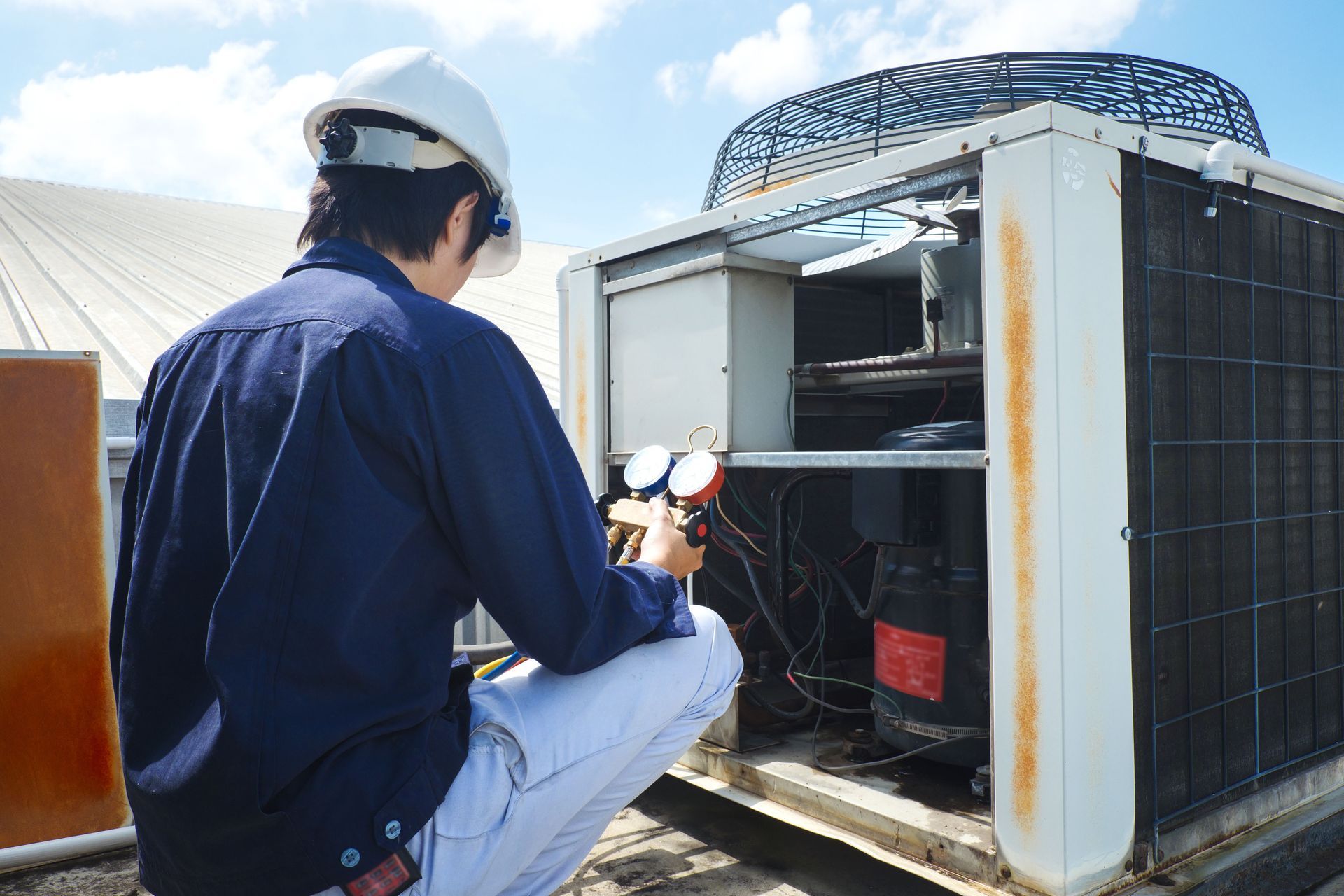
Before diving into the HVAC installation of a new system, it's crucial to assess your existing setup. Evaluate the current system's efficiency by analyzing how effectively it heats or cools your home, which can illuminate potential deficiencies. Energy consumption is another significant factor, as older systems often draw more power, increasing utility bills. Identifying these issues isn't solely a matter of operational insight—it also informs budget estimations for updates and replacements.
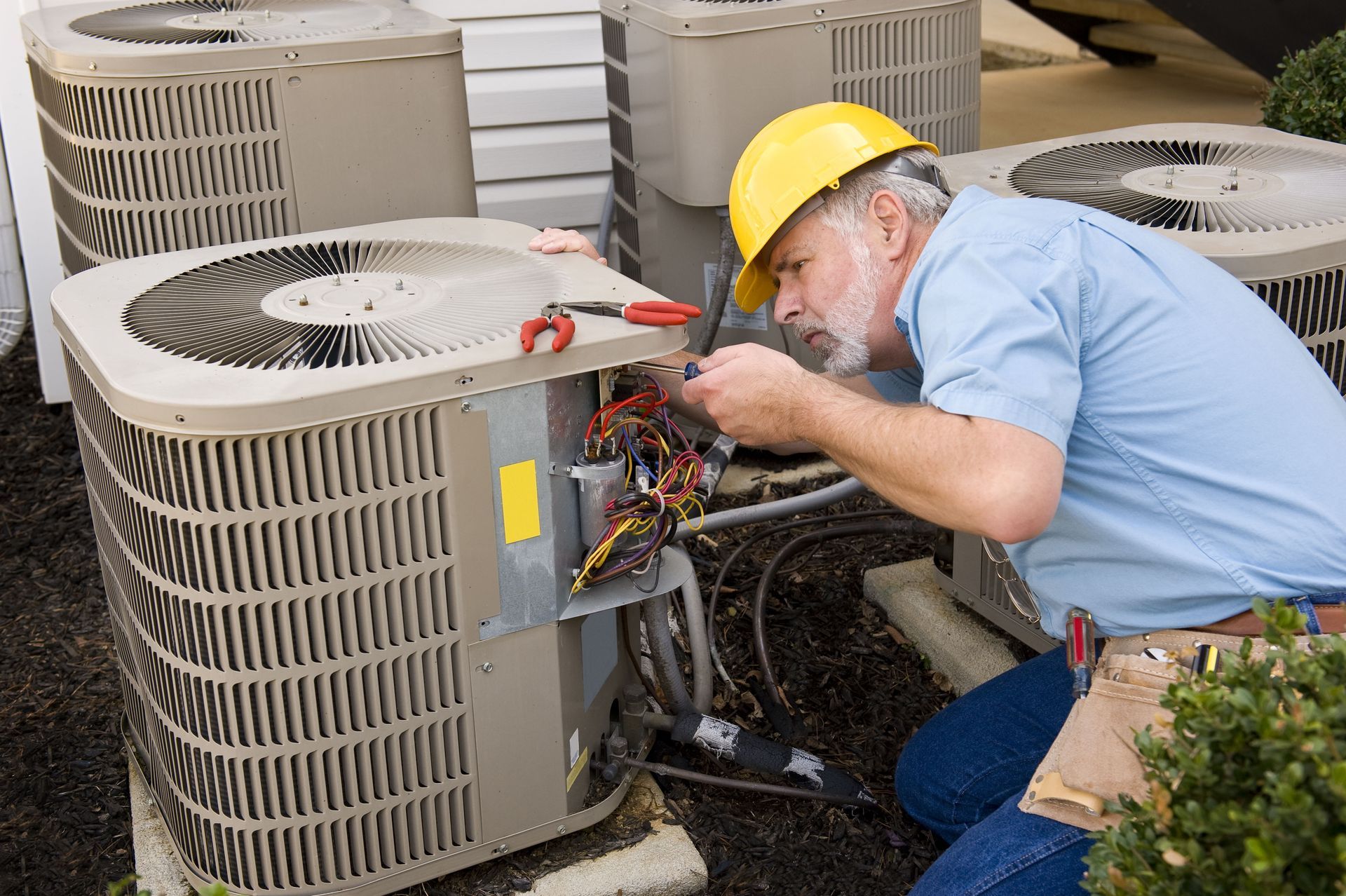
Consulting a professional is indispensable in this initial stage. An HVAC expert can offer detailed evaluations, identifying inefficiencies you may overlook. They provide a more accurate picture of your system's condition and potential solutions. Involving professionals early ensures you make informed decisions, maximizing your investment in the new system. Furthermore, they can advise on the disposal and removal of the old unit, adhering to local regulations and environmental considerations.
Planning for the removal and disposal of your current system is another essential aspect of the assessment phase. Most outdated systems are not eco-friendly, and their disposal should be handled responsibly. Many HVAC providers include removal in their services, recycling parts where possible. Efficient disposal not only benefits the environment but also clears space for the new HVAC installation. Notably, according to Grand View Research, in 2024, the US HVAC industry market size was estimated at nearly $30 billion, signifying the evolving trends and increased attention to eco-friendly solutions.
Choose the Right HVAC
Choosing the right HVAC system is pivotal to ensuring long-term satisfaction and operational efficiency. Understanding the different types of systems available, such as central air conditioning, ductless systems, and heat pumps, is the first step. Each type of system has distinct advantages and caters to specific needs, making it vital to select one that aligns with your home requirements. System selection should also consider climate variations, ensuring year-round comfort and functionality. Thorough research conducted during this phase creates a foundation for energy-efficient and cost-effective choices.
An equally crucial decision point in choosing an HVAC system is determining the appropriate size and capacity. An undersized system will struggle to maintain desired temperatures, leading to continuous operation and higher energy usage. Conversely, an oversized unit can short-cycle, causing wear and increasing maintenance costs. A professional assessment can help establish the correct size based on your home's square footage, layout, and insulation. Proper sizing is integral to achieving desired performance and efficiency levels.
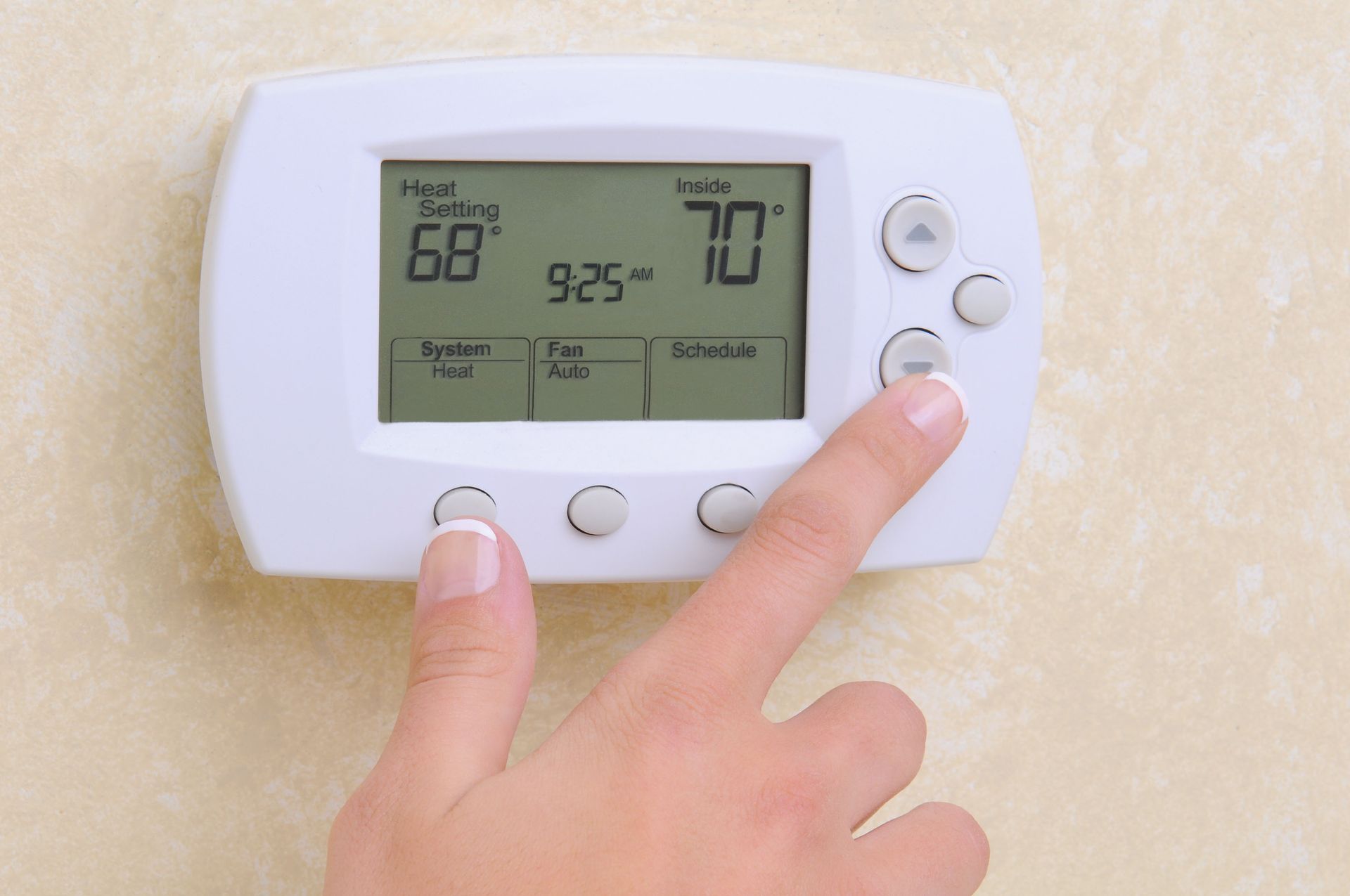
Energy efficiency ratings and smart technology options are essential factors in your HVAC system selection process. Evaluating systems’ SEER (Seasonal Energy Efficiency Ratio) and HSPF (Heating Seasonal Performance Factor) ratings will guide you to more energy-efficient choices, potentially lowering your utility expenses. Additionally, integrating smart technology can automate and enhance system management, optimizing comfort settings even when you're away. Budget planning should reflect these considerations, weighing initial costs against long-term savings.
Prepare for Installation
The physical preparation of your home significantly impacts the installation process. Clearing installation areas ensures technicians can access necessary spaces unobstructed, speeding up the process. Before the installation date, remove furniture, curtains, and any other items around where the unit will be placed. Clear spaces and access paths also minimize risks related to accidental damage or injury. This thorough preparation underpins a safer and faster HVAC installation process.
Ensuring accessibility for technicians goes beyond clearing spaces; it also involves understanding and addressing any structural challenges. Evaluate whether technicians have easy access to external and internal installation sites. Staircases, narrow doors, or hallways can impede movement and equipment placement. Facilitate access by considering temporary accommodations, like creating clear paths and planning for necessary outdoor access modifications. Prepared accessibility helps reduce installation time significantly.
Protecting your home’s valuables and fragile items is another vital step. Vibrations and movement during installation can inadvertently damage nearby items. Secure or relocate fragile possessions in installation areas to prevent unwanted incidents. Additionally, confirm that ventilation remains uninterrupted during the process, ensuring air quality is maintained. Temporary arrangements for comfort, like portable heaters or fans, may be necessary, especially if the installation disrupts existing climate control.
Address Home Infrastructure
The transition to a new HVAC system may necessitate certain infrastructure upgrades within your home. Inspecting and possibly upgrading your electrical system is imperative, as modern HVAC units may require different power capacities. Engaging an electrician can verify adequate wiring and circuit capacity, ensuring compatibility with the new system. Proper electrical preparedness not only abides by safety norms but also prevents future operational hiccups.
Checking ductwork condition is another crucial aspect of infrastructure evaluation. Well-maintained ductwork facilitates optimal distribution of heated or cooled air, influencing overall system efficiency. A thorough inspection reveals leaks, obstructions, or outdated duct materials that could hinder system operation. Addressing identified issues before installation helps avert efficiency losses and ensures effective climate control. Improved duct performance contributes to a better indoor environment and energy consumption.
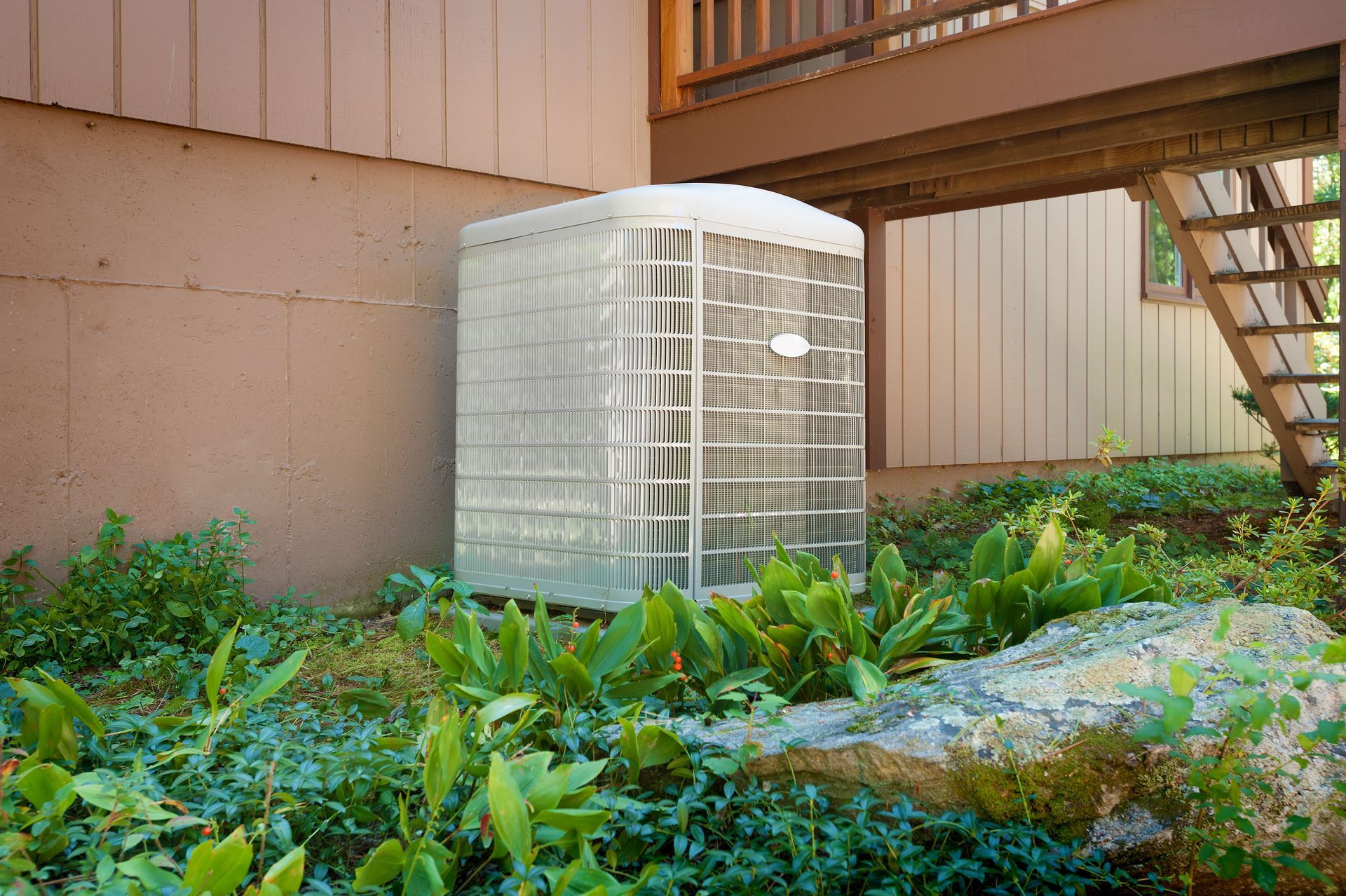
Evaluating insulation needs transcends immediate installation concerns, bearing long-term impact on HVAC performance. Properly insulated spaces retain conditioned air effectively, enhancing comfort and lowering energy costs. Assess existing wall, attic, and floor insulation to decide if upgrades are necessary. Concurrently, seal windows and doors to minimize drafts, further boosting system efficiency. Lastly, prepping the outdoor unit area creates a secure, accommodating environment for system components.
Schedule the Installation
Effective scheduling and coordination are vital to a smooth HVAC installation. Confirm installation dates well in advance, aligning your timeline with that of the installation team. Clear communication regarding these dates allows you to plan home activities accordingly, minimizing disruptions. Detailed scheduling also helps prepare your household for temporary displacement of climate control during the installation period. An established timeline streamlines preparation, facilitating a cohesive process.
Discussions with the installation team should outline the full HVAC installation process and timeline. Understanding expected tasks, durations, and access points can demystify the process, dissipating potential stress. Discuss risk mitigation measures related to safety, property protection, and dust containment. Such conversations foster collaboration and clarify roles during the installation, contributing to overall efficacy. Moreover, determining open communication channels will ensure readiness on both ends.
Formalities such as reviewing and signing necessary permits and compliance documents require attention. Collaborate with the installation team to settle paperwork responsibilities and retain copies for your records. Confirming permits ensures every phase aligns with local codes and regulations, safeguarding you from future legal issues. Additionally, plan for essential follow-up visits and maintenance schedules post-installation, embedding ongoing system care. Regular maintenance discussions are key to preserving system longevity and effectiveness.
Test the New System
Once installation is complete, the post-installation phase involves testing system functionality. Ensure the new HVAC system operates within expected parameters, maintaining desired temperatures throughout your home. Perform run tests accompanied by the installation team to identify immediate operational issues, if any. Understanding your system’s basics helps you troubleshoot, should troubleshooting be needed in the future. These immediate functional checks are fundamental in confirming your HVAC system investment delivers promised benefits.
Preparing your home for an HVAC installation is a detailed process that ensures not only a smooth setup but also the long-term efficiency and comfort of your new system. Every step, from assessing existing equipment to planning for post-installation maintenance, is essential. With careful preparation and coordination, Bluesky Heating and Air can help optimize both the installation process and your future energy efficiency. For more information, call us today.